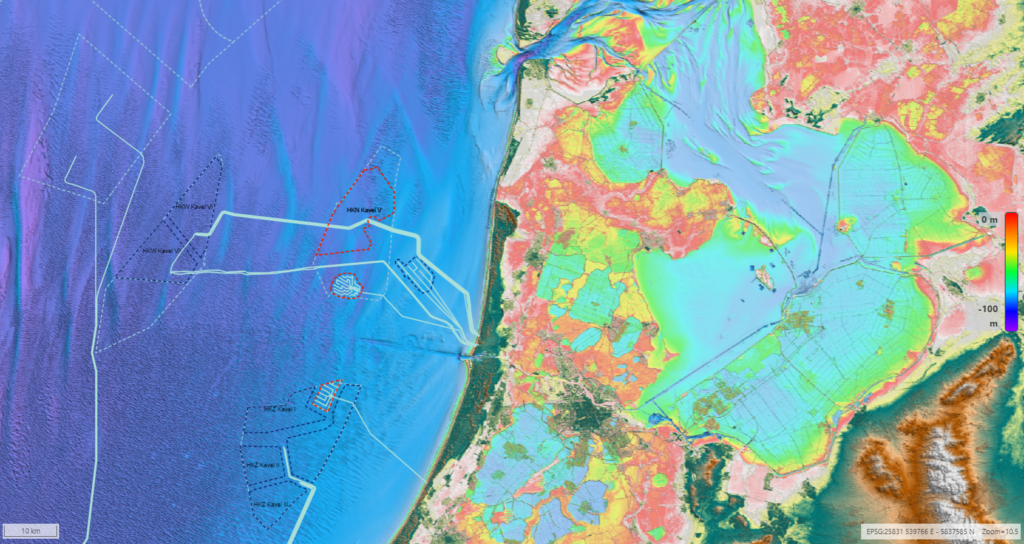
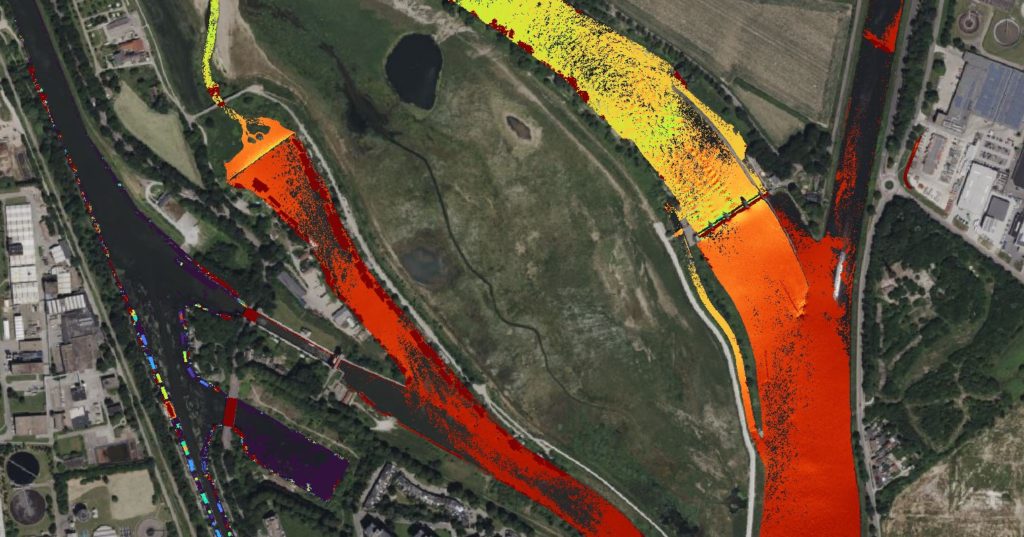
New technologies make it possible to collect increasingly detailed and real-time data about our water system. Innovations such as high-resolution satellite imagery, drones, smart sensor networks, and the Internet of Things (IoT) provide up-to-date and rich information that was previously unimaginable. These data are not only useful to supplement existing monitoring methods, but can even replace traditional measurements in certain cases. The role of citizens in data collection is increasing through citizen science projects and user-friendly apps, which residents can use to take measurements in their own environment.
Machine learning and artificial intelligence are also becoming increasingly important in analyzing large data sets, which allows us to quickly recognize patterns and gain insight into long-term trends. These techniques also help to combine datasets from different sources and to make unstructured data, such as social media or weather sensors, usable for the water sector. However, the challenge still lies in the practical application: many end users in the water sector are not yet familiar with these innovative data collection methods.
That is why DigiShape focuses on bridging this gap within this domain. We bring end users and developers together to discover new data collection techniques and make them more accessible. In this way, we are working together towards a future in which innovative data collection contributes to better, faster and more sustainable decision-making in water management.